Column · @edgarkmek462
Hot Dog Pueblo CO Eats That Locals Recommend


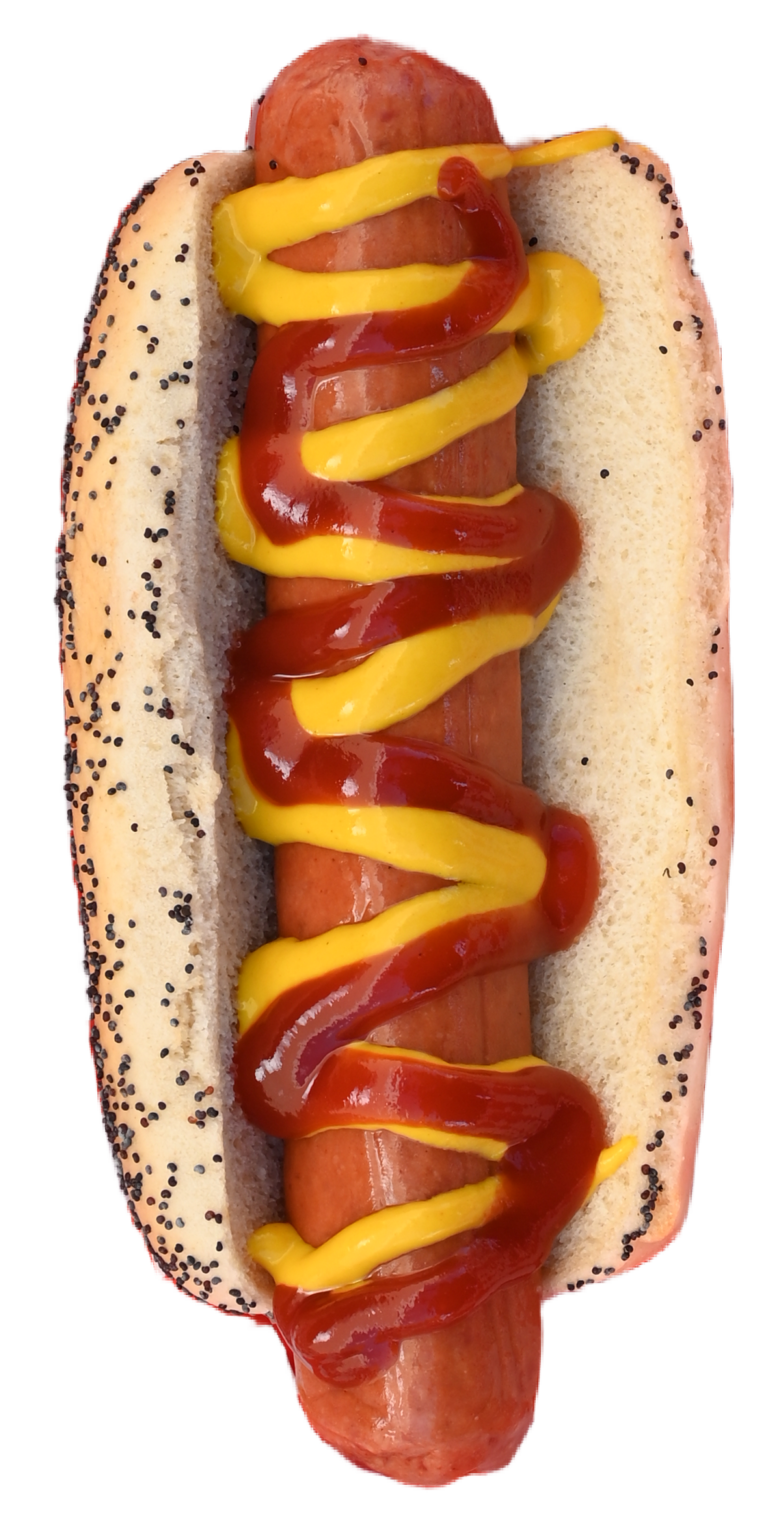
If you go looking for a great hot dog in Pueblo, Colorado, you quickly learn something useful about the city: people here do not separate everyday food from local identity. Even a simple hot dog gets pulled into the larger Pueblo conversation, which usually includes green chile, red chile, onions cooked down on a flat top, and an opinion about which neighborhood still does comfort food right.
That matters, because anyone hot dog Pueblo CO searching for the best hot dog Pueblo CO option is usually expecting one of two things. The first is a classic American dog, done cleanly and confidently, with the right snap and the right bun. The second is something more local, meaning a hot dog that picks up Pueblo character through chile, slopper-style messiness, or the kind of no-frills service that tells you the kitchen has been feeding the same families for years.
Pueblo may not market itself as a hot dog destination the way Chicago or Coney Island does, but that does not mean the city comes up short. Far from it. Pueblo is a place where modest food often gets treated with unusual seriousness. Burgers matter here. Green chile matters here. Counter service matters here. And when a hot dog is on the menu at the right kind of spot, locals pay attention.
What Pueblo locals usually mean by a "good" hot dog
A good hot dog in Pueblo is rarely about novelty for its own sake. Most locals are not chasing towering stunt food covered in fifteen toppings and built for social media. They want balance. They want a dog that tastes like beef or a properly seasoned frank, not just salt. They want the bun warm enough to hold together without turning gummy. They want toppings that belong there.
In Pueblo, the line between hot dog culture and chile culture gets thin very fast. That is the biggest local distinction visitors sometimes miss. In another city, the conversation might center on sauerkraut versus relish. In Pueblo, the more interesting question is often whether the hot dog works with green chile, whether the chile has enough body to stay on the dog, and whether the kitchen understands restraint. Too much chile and the bun collapses. Too little and the dish feels like a missed opportunity.
Locals also care about value. Pueblo has always had a strong working-class streak, and that shapes expectations. A hot dog can be dressed up, but it still has to feel honest. If you are paying premium prices, people want premium ingredients, house-made toppings, or a setting that justifies the upcharge. If it is a lunch-counter dog, then speed, consistency, and flavor matter more than branding.
Pueblo’s hot dog scene is less about chains, more about context
One thing I appreciate about eating in Pueblo is that the best finds are often attached to the kind of place you would visit anyway. The hot dog worth ordering may be tucked into a neighborhood grill, a bowling alley snack counter that unexpectedly knows what it is doing, a seasonal fair stand, or a downtown bar where the kitchen takes late-night food more seriously than you would guess from the outside.
That can frustrate travelers who want one famous, universally agreed-upon "best" place. Pueblo is not always that tidy. Food recommendations here often come with a little conversation. Someone will tell you, "Get the dog there, but only if they’re doing the chile that day," or "Go during lunch, not at the end of the night," or "Their plain dog is fine, but the chili dog is the one that makes sense." Those caveats are not a weakness. They are how real local food scenes work.
Menus also shift. Some Pueblo spots rotate specials, trim back offerings, or change ownership. Because of that, the smartest approach is to think like a local. Instead of hunting only for businesses built entirely around hot dogs, look for places that already have a good reputation for unpretentious cooked-to-order food. In Pueblo, those kitchens are usually the ones that can turn a hot dog from an afterthought into something memorable.
The Pueblo chile factor
It would be impossible to talk honestly about hot dogs in Pueblo without talking about Pueblo chile. This is the flavor marker that changes the whole game.
A basic hot dog becomes much more interesting when topped with chopped roasted green chile that brings heat, smoke, and a little sweetness. A chili dog, in Pueblo terms, can move in a different direction than the Midwestern or East Coast versions people may expect. You might still see a meat-based chili, but plenty of local eaters would gladly choose a dog with green chile, diced onions, and mustard over a heavier beanless chili sauce.
The texture matters as much as the taste. Good chile on a hot dog should coat the dog, not drown it. Some kitchens get this right by reducing the chile slightly or combining it with enough body to keep it from running straight through the bun. Others treat the topping like a spooned-on afterthought. Locals notice the difference immediately.
There is also a trade-off worth mentioning. Pueblo chile can improve a hot dog dramatically, but it can also cover up a weak frank. If the underlying dog is bland, the chile turns into a distraction rather than an enhancement. The better places know that local toppings should support a strong base, not rescue it.
Where locals tend to point you
Ask around Pueblo and the recommendations usually come in categories rather than a single script. People often point toward old-school independent spots first, especially places that have held onto a lunch-counter mindset. These are the kitchens where a hot dog is likely to be griddled properly, served fast, and dressed in a way that reflects the rest of the menu rather than some national template.
Sports bars and neighborhood taverns are another common source of surprisingly good hot dogs. Pueblo has plenty of places where the burger gets the spotlight, but the dog can be the better order if the kitchen knows how to handle grilled onions, chile, and toasted buns. Late afternoon is often the sweet spot at these places, when the grill is hot, the crowd has not yet peaked, and the kitchen still has full attention for simple food.
Seasonal events deserve more credit than they get. During fair season, festival weekends, and community gatherings, hot dogs become one of those foods that people order almost by reflex. The Colorado State Fair, held in Pueblo, brings in vendors who know how to move a line without serving something lifeless. Fair hot dogs are not always refined, but they can be deeply satisfying in exactly the way fair food should be: salty, hot, fast, and easy to eat while walking.
Ballpark food also belongs in this conversation. At local games or community sporting events, the hot dog still functions as a social food, not just a meal. In that setting, locals are often less interested in culinary perfection than in whether the dog tastes fresh off the grill and comes with the right supporting cast of mustard, onions, and maybe a chile option. Sometimes the best hot dog in town, for that day, is the one eaten outdoors with a scorecard in your hand.
What to order if you want the most local experience
If the menu offers a plain dog, a chili dog, and a chile-topped dog, the most Pueblo move is usually the chile-topped dog. That is where the city’s identity shows up most clearly. A grilled or griddled all-beef frank, warm bun, roasted Pueblo green chile, diced white onions, and a stripe of mustard is a very convincing order in this town.
If the house specialty leans heavier, then a messy dog can make sense too. Pueblo diners are not afraid of food that requires extra napkins. The city already has a long affection for smothered dishes and hearty comfort food. A knife-and-fork hot dog does not feel out of place here, provided the ingredients still make sense together.
There is one caution I give people who are trying hot dogs around town for the first time: do not over-order toppings just because they are available. A solid dog can disappear under cheese sauce, bacon bits, fried extras, and two kinds of chile. The kitchens that understand hot dogs best usually exercise some discipline. So should the customer.
The places that tend to earn repeat business
In a city like Pueblo, repeat business is the real test. Locals come back for consistency, not because a place had one strong week online. The hot dog spots and hot dog-adjacent spots that win long-term usually share a few traits. They move food quickly, they keep the bun and frank in proportion, and they know how to season toppings so the whole thing tastes integrated.
You can see this in the way regulars order. At a place that has earned trust, people speak with confidence. They do not stand there studying the menu as if it were a contract. They know whether they want the dog plain, with chile, or with a side of fries and a fountain drink. That kind of rhythm tells you the kitchen has delivered often enough to become part of someone’s normal week.
Pueblo has always rewarded that sort of reliability. Flash gets attention, but repetition builds reputation.
Why old-fashioned service still matters here
One reason hot dogs can be so satisfying in Pueblo is that the best versions are tied to a certain service style. You order at the counter. You wait a few minutes. Food comes out hot, not overstyled. Someone behind the register may call you "hon" or "boss" or simply slide the basket across with no speech at all. Either way, the exchange feels direct and human.
That simplicity is part of the meal. A hot dog is not supposed to require a thesis. The experience should feel easy. Pueblo still has pockets of that old straightforward hospitality, where the point is to feed you well and keep the line moving. In practical terms, that often leads to better food. Less fuss means more attention to the grill, the steam table, the chile, and the timing.
There is also less tolerance for nonsense. If a bun is stale or a dog is lukewarm, locals notice and talk. Independent places in Pueblo survive by meeting the standard, not by outspending it.
Price, portion, and the value question
Hot dogs occupy a strange place in the current restaurant economy. Everyone still thinks of them as affordable, but ingredient costs have changed, and many restaurants now position premium dogs almost like specialty sandwiches. Pueblo diners tend to be reasonable about that, up to a point.
If you are getting an all-beef dog with good toppings, a sturdy bun, maybe local chile, and a side that is actually worth eating, a slightly higher price can make sense. Where people get irritated is when a hot dog arrives small, underdressed, and clearly secondary to the rest of the menu. That is not a hot dog Pueblo CO Pueblo-specific frustration, but Pueblo’s value culture makes it sharper.
The best buys in town are usually not the cheapest dogs. They are the ones where the total plate feels complete. A hot dog with hand-cut fries, or even just properly salted crisp fries, can punch well above its weight as a lunch. The same dog served alone on a flimsy bun for nearly the same price feels harder to defend.
If you are visiting Pueblo for the first time
For first-time visitors, the smartest strategy is to build your hot dog search around the rest of your day. If you are downtown, look for independent grills, lunch spots, or bars with a reputation for solid casual food rather than polished branding. If you are visiting during an event weekend, do not dismiss vendors too quickly. In a fair or festival setting, turnover can be high enough that the food is fresher than what you would get at a sleepy sit-down place in the mid-afternoon.
Timing matters too. Lunch is often your safest bet for a straightforward, well-executed hot dog. Kitchens are stocked, staff are focused, and the menu tends to move. Late-night dogs can be fun, but they are not always the kitchen’s sharpest work unless the place is specifically known for that crowd.
It also pays to ask one simple question before you order: "How do people usually get the dog here?" That line works almost everywhere. At a good local spot, someone will tell you the truth. If the answer is chile and onions, follow it. If the answer is "plain, honestly," that tells you the frank itself is probably doing the heavy lifting.
A short checklist for choosing well
- Look for places with strong turnover at lunch or during local events.
- Favor simple builds that feature Pueblo chile rather than overloaded topping combinations.
- Pay attention to bun quality and whether the dog is grilled, griddled, or steamed with care.
- Ask staff how regulars order it, then start there.
- If the place is known for casual comfort food, the hot dog is more likely to be worth your time.
What Pueblo gets right that bigger cities sometimes miss
Larger cities often have more dedicated hot dog joints. Pueblo has something else, which can be just as valuable: context. Here, a hot dog is part of a bigger food tradition built on chile, practical cooking, and neighborhood loyalty. That creates meals with more personality than the format would suggest.
It also keeps expectations grounded. You are not eating a hot dog in Pueblo because someone declared it artisanal. You are eating it because, on the right day, from the right grill, it sounds exactly right. Maybe you are between errands. Maybe you are headed to the fairgrounds. Maybe you just want lunch that costs less than a full sit-down meal but still tastes like somebody cared.
That is where Pueblo shines. The city understands hearty food without turning it into theater.
The hot dog orders most likely to satisfy
When people ask me what kind of hot dog makes the most sense in Pueblo, I usually steer them toward one of a few styles, depending on what kind of eater they are.
The purist should look for an all-beef dog with mustard and onions first. That order tells you immediately whether the place has fundamentals. The localist should go straight for green chile, preferably with onions and maybe a little cheese if the kitchen handles it lightly. The comfort-food loyalist should consider the heavier chili dog or a fully smothered variation, especially when the weather turns cooler and a neat meal no longer feels necessary.
There is no shame in the plain dog, either. In fact, at any place claiming to do hot dogs well, the plain version should stand on its own. A dog that needs three sauces to survive is not a great dog.
The real answer to the hot dog Pueblo CO search
The real answer is that Pueblo rewards curiosity more than box-checking. There may not be a single universally crowned hot dog temple, but there are absolutely satisfying, locally loved hot dog experiences throughout the city if you know what to watch for. Look for independent kitchens. Look for turnover. Look for chile that tastes like it belongs there. Look for regulars who order without hesitation.
Most of all, understand that in Pueblo, the best hot dog is rarely isolated from the rest of the local food culture. It sits inside it. The dog matters, the bun matters, the toppings matter, but so does the setting: the fairground stand, the neighborhood grill, the downtown lunch stop, the place where the fryer is humming and somebody in line already knows your order.
That is what locals recommend, even when they phrase it casually. They are not just sending you to a food item. They are sending you to a style of eating that Pueblo still does very well.
Under Construction Hot Dogs
Address: 1225 W U.S. Hwy 50, Pueblo, CO 81008
FAQ About Hot Dog Pueblo CO
Why is it called a hot dog?
A hot dog gets its name from a 19th-century joke comparing long, thin sausages to dachshund dogs and mocking their cheap meat content.
Is hotdog non-veg?
Yes, traditional hot dogs are non-vegetarian because they are made from meat trimmings like pork, beef, chicken, or turkey.
What exactly is in a hot dog?
Hot dogs are cooked and smoked sausages made from finely ground, emulsified meat trimmings mixed with water, fat, spices, and preservatives.